


Veterinary Autoclave: Steam-Powered Guardians & the Art of Sterilization
News
Introduction:
In the world of veterinary medicine, maintaining a sterile environment is paramount to ensuring the health and safety of both patients and practitioners. This is where veterinary sterilizers like autoclaves come into play. They are the unsung heroes of every animal clinic, ensuring that surgical instruments, equipment, and even textiles are free from harmful microorganisms. Autoclaves can store and process multiple instruments at once, making them highly efficient for busy clinics. Let’s delve into the world of vet autoclaves, exploring their significance and the remarkable technology that powers them. Autoclaves are considered the gold standard for sterilization in veterinary medicine because they effectively destroy all forms of microbial life, including heat-resistant spores.

What is an Autoclave:
Autoclaves are specialized devices designed to sterilize various objects and materials by using high-pressure steam to kill bacteria, viruses, and other microorganisms. They operate on the principle that water’s boiling point increases with pressure, enabling it to reach temperatures that are lethal to pathogens. Instruments and materials are loaded into a designated place within the sterilization chamber, where the sterilization process occurs. This simple yet effective process ensures that all equipment and materials subjected to it are free from harmful microorganisms. A typical sterilization cycle takes about 15 to 30 minutes at 121°C and 15 psi, depending on the load and material.
There are different types of autoclaves available in the market, including gravity displacement autoclaves, pre-vacuum autoclaves, and tabletop autoclaves. Each type has its unique advantages, making it suitable for different applications and settings. Autoclaves can sterilize a wide range of materials, including stainless steel, glass, and specialized fabrics, without causing damage.
Sterilization in Veterinary Medicine:
Sterilization in veterinary medicine is non-negotiable. It’s not just about keeping surgical instruments clean; it’s about protecting the health of both animals and the dedicated professionals who care for them. Veterinary clinics are breeding grounds for bacteria, viruses, and other pathogens, making sterilization a crucial element in ensuring the well-being of all stakeholders.
Common veterinary sterilization methods include chemical sterilants, dry heat sterilization, air plasma, and filtration, but the most reliable and widely used method is steam sterilization via veterinary autoclaves. This method is not only effective but also fast, making it a go-to solution for busy veterinary practices. Short cycle times in veterinary autoclaves improve workflow and instrument turnover, allowing clinics to manage their time efficiently, especially during peak periods. Using validated autoclaves also helps veterinary clinics meet hygiene standards and legal requirements. Autoclaves ensure a greater than 99.9% reduction in bacteria, viruses, and spores, which is crucial for preventing surgical infections and cross-contamination.
Veterinary Steam Autoclaves, a Closer Look:
How Autoclaves Work:
Steam autoclaves use a combination of high-pressure steam and high temperature to kill harmful microorganisms. The process typically involves preheating the chamber and loading it with the items to be sterilized. Once the chamber reaches the desired temperature and pressure, a timer is set, and the sterilization cycle begins. During this cycle, the steam saturates the chamber, ensuring thorough sterilization.
Some veterinary autoclaves offer a connection to water treatment systems, such as MELAdem 40 or MELAdem 47, to enhance workflow efficiency. Modern autoclaves often feature automated monitoring and documentation to verify that the sterilization cycle reached the required temperature and pressure. Regular and correct sterilization in an autoclave also contributes to the longevity of medical devices by exposing them to lower temperatures for shorter periods.
Key Features & Components:
Autoclaves are equipped with various features and components that make them user-friendly and effective. These may include digital control panels, automatic drying cycles, and safety mechanisms. The most important component is the chamber itself, which is built to withstand the high pressure and temperature required for sterilization. A high-quality veterinary autoclave should be durable and easy to maintain, ensuring reliable performance over time.

Benefits of Using Veterinary Autoclaves:
The use of steam sterilization autoclaves brings several benefits to the table, making them an invaluable asset to any veterinary practice:
Ensuring Patient Safety:
The primary benefit is the assurance of patient safety. Sterile instruments and equipment reduce the risk of post-operative infections, ensuring the well-being of your furry patients.
Maintaining Equipment Integrity:
Veterinary instruments and equipment can be expensive to replace. Autoclaving them instead of using chemical sterilants ensures that your equipment remains in top-notch condition, extending its lifespan.
Reducing the Risk of Cross-Contamination:
Cross-contamination is a major concern in veterinary clinics. Vet autoclaves help prevent the spread of diseases between patients by ensuring that all equipment is thoroughly sterilized.
Role of Autoclaves in Infection Control:
Infection control is at the heart of every successful veterinary practice, and autoclaves are the frontline guardians in this ongoing battle. By harnessing the power of high-pressure steam sterilization, vet autoclaves deliver a thorough sterilization process that eliminates all forms of microorganisms - including stubborn bacteria and resilient viruses - from medical instruments and equipment. This level of sterilization is essential for protecting the health of both furry patients and the dedicated veterinarians and staff who care for them.
The sterilization process inside an autoclave involves placing items in a sealed chamber, where they are exposed to high-pressure steam at elevated temperatures. This environment ensures that every surface, crevice, and component of the instruments is free from harmful pathogens, drastically reducing the risk of post-operative infections and cross-contamination. For veterinary practices, this means peace of mind knowing that every procedure is performed with sterile instruments, upholding the highest quality of care.
Selecting the right autoclave for your practice is a decision that impacts daily operations and long-term outcomes. Key factors to consider include the size and capacity of the chamber, the pressure and temperature capabilities, ease of maintenance, and how the unit fits within your budget. A well-chosen autoclave not only meets the immediate needs of your practice but also adapts to future growth and changing demands.
Regular maintenance is crucial to ensure your autoclave continues to operate at peak performance, providing reliable sterilization with every cycle. This not only supports compliance with infection control regulations but also extends the lifespan of your valuable medical equipment, reducing replacement costs and ensuring consistent, high-quality care for your patients.
Ultimately, autoclaves are more than just equipment - they are essential partners in safeguarding the health and safety of animals, staff, and the wider community. By investing in a high-quality, reliable autoclave and adhering to proper maintenance protocols, veterinary practices can minimize the risk of disease transmission, protect their reputation, and provide the best possible care for every patient.
Choosing the Right Vet Autoclaves:
Selecting the right autoclave is a crucial decision for any veterinary practice. When evaluating options, it's important to consider the full life cycle of the veterinary autoclave, including ongoing support and care to ensure long-term benefits and sustainability.
Be sure to assess both the initial purchase costs and the ongoing operating costs, as these can significantly impact your budget over the life of the equipment. Additionally, keep in mind that different Class B or Class S autoclaves offer different sterilization cycles, which may influence your selection based on your specific needs.
Here are some factors to consider when making this choice:
Size & Capacity:
Choose a vet autoclave that matches the size of your practice and the number of daily procedures. Having enough capacity to accommodate your needs is essential.
Type of autoclave:
Consider the type and class of autoclave that suits your practice. Tabletop autoclaves are suitable for smaller clinics, while larger practices might benefit from freestanding models. Also, consider if you run a dental practice and require specific dental autoclaves.
Maintenance & Support:
Look for a brand that offers reliable maintenance and technical support. Regular maintenance and service is vital to keep the autoclave functioning optimally.
Budget:
There is a variable range in prices. It's essential to strike a balance between your budget and the features you need.
Common Misconceptions:
Autoclaves are expensive: While high-quality autoclaves can be a significant investment, they are essential for maintaining a sterile environment. Consider it a long-term investment in the health and safety of your patients and staff.
Sterilization methods are interchangeable: Not all sterilization methods are equal. Autoclaving is the gold standard for a reason. It's the most effective and reliable method for ensuring sterilization.
Eickemeyer Carries the Following Autoclaves (Sterilizers):
Eickemeyer offers various models of veterinary autoclaves, including the Flight Autoclave Clave23+ and Clave16+, which are designed for efficiency and reliability. Eickemeyer also provides delivery and installation services, ensuring your autoclave is delivered directly to your door with professional setup assistance.
Flight Autoclave Clave23+ - Eickemeyer Veterinary Technology (eickemeyercanada.ca) - These autoclaves/sterilizers are a Class N medical grade Steam Sterilizer that utilizes the most state-of-the-art technology in steam pulsing sterilization. The Clave23 uses a pressure displacement technology that allows the complete removal of air inside the chamber before the sterilization cycle begins. In addition, steam injection pressure pulsing technology reduces maintenance, improves sterilization effectiveness and increases the speed of the sterilization process. As the name suggests these autoclaves have a chamber size of 23L.
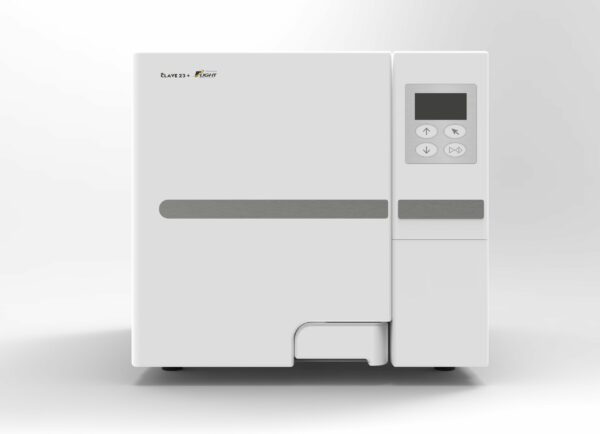

Flight Autoclave Clave16+ - Eickemeyer Veterinary Technology (eickemeyercanada.ca) - These autoclaves/sterilizers use the highest quality components and each unit is stress tested to ensure the quality and reliability of the machine. The Clave16 is a compact and efficient sterilizer that is suitable for any veterinary office. As the name suggests these autoclave sterilizers have a chamber size of 16L.


Why Choose Eickemeyer Veterinary Supplies?
Veterinarians choose Eickemeyer for sterilization products because of our reputation for quality within the veterinary business, wide product range, commitment to customer support, and specialized focus on veterinary equipment. Eickemeyer's dedication to the well-being of animals and the success of veterinary practitioners makes us a preferred supplier of autoclave products in the veterinary field.
We encourage veterinarians and those in the veterinary business to explore Eickemeyer Canada's vast selection of autoclaves/sterilizers and other vet equipment.
Contact Us
eickemeyercanada.ca or info@eickemeyervet.com for purchasing information on our line of sterilizers and autoclaves.